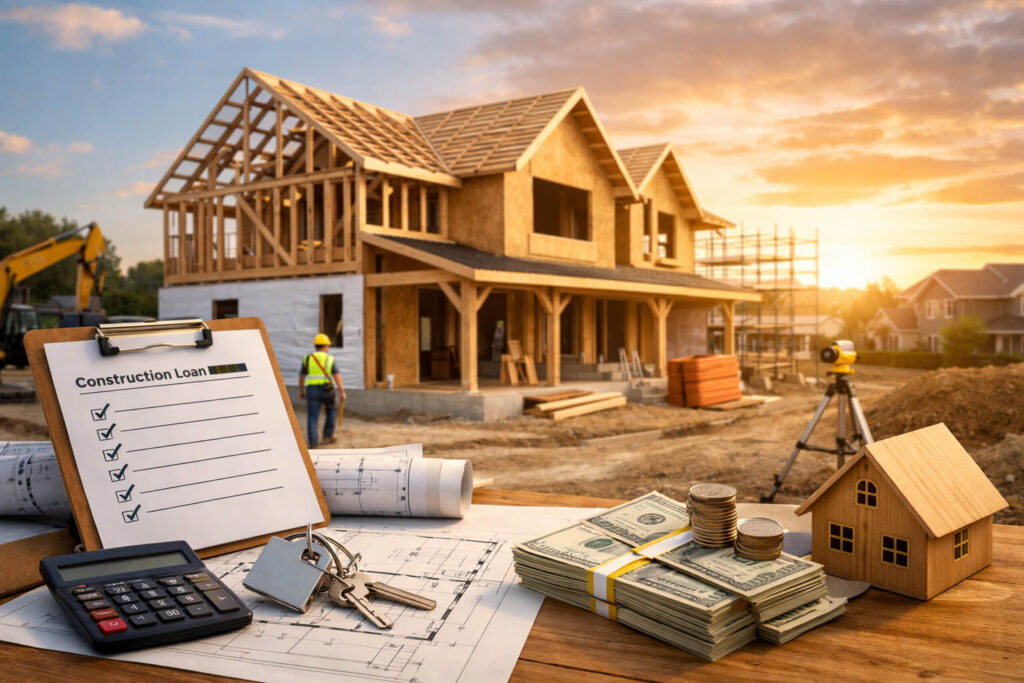

Choosing the right financing can shape your entire building experience. Many buyers feel confident with a traditional mortgage, but hesitate when construction enters the picture. Understanding the differences between construction loans vs mortgage loans helps remove that uncertainty. These loans work very differently, from approval to payments and timing. At Coastal Pointe Homes, we often help buyers review financing paths early so decisions feel calm, not rushed. If you are still sorting through numbers and timelines, it helps to explore how lenders structure new-build financing and how to approach home financing with a clear plan before committing.
How a Construction Loan Works
A construction loan is designed for homes that do not exist yet. Funds are released in stages as the home is built.
Key Features Of Construction Loans
- Short-term loan structure
- Draw-based payments during construction
- Interest-only payments until completion
Because lenders take on more risk, approval standards differ when comparing construction loan vs mortgage loan options.
How a Traditional Mortgage Loan Works
A mortgage loan applies to completed homes. The full loan amount is funded at closing.
Typical mortgage characteristics
- Long-term repayment schedule
- Fixed or adjustable interest rates
- Immediate principal and interest payments
When comparing construction loan vs traditional mortgage, mortgages offer predictability but lack flexibility for building projects.
Payment Structure: Where the Differences Stand Out
One of the biggest differences in construction loan vs mortgage loan decisions is how payments work.
Construction loans usually require:
- Interest-only payments
- Payments based on construction progress
Mortgage loans require:
- Full monthly payments
- Immediate repayment responsibility
Understanding this difference helps buyers manage cash flow during construction.
Approval Requirements and Flexibility
Lenders review construction loans more closely. They assess finances and project details.
This includes:
- Credit profile
- Income stability
- Builder qualifications
- Construction plans
These factors influence home construction financing options and may affect timelines and approval terms.
Interest Rates and Long-Term Costs
Construction loans often carry higher rates due to short-term risk. Mortgage loans usually offer lower, stable rates.
Many buyers refinance or convert construction loans into permanent mortgages after completion. This step is central when weighing construction loan vs mortgage loan strategies.
Which Loan Makes Sense for Home Builders?
The right choice depends on your goals.
A construction loan may fit if:
- You are building from the ground up
- You want phased funding
- You need flexibility during construction
A mortgage loan may fit if:
- The home is already complete
- You want long-term stability
- You prefer predictable payments
For buyers exploring home construction financing options, comparing both paths early prevents costly delays. You can also revisit financing details later by reviewing guidance on how to finance your home with confidence.
Final Thoughts and Next Steps
Understanding construction loan vs mortgage loan differences helps builders choose financing with confidence. Each option serves a different purpose, depending on timing, risk, and flexibility needs.
If you are planning a new build and want help choosing the right path, contact us to speak with the team at Coastal Pointe Homes and explore your options clearly and comfortably.
Frequently Asked Questions
Q. What is the main difference between a construction loan and a mortgage loan?
A. The main difference is timing. A construction loan funds a home while it is being built, while a mortgage loan finances a completed property with long-term repayment.
Q. Can a construction loan be converted into a mortgage loan?
A. Yes. Many construction loans are designed to convert into a traditional mortgage after construction ends, allowing borrowers to avoid applying for two separate loans.
Q. Which option is better for first-time home builders?
A. It depends on the project. A construction loan offers flexibility for building, while a mortgage loan works best if the home is already complete or near completion.